
Introduction
Electrical Technicians remain among the most in-demand trades across the global energy industry. Whether working on LNG plants, offshore platforms, refineries, power stations or renewable energy projects, experienced technicians continue to command competitive salaries as employers compete for skilled talent.
In this guide, we explore the salary expectations for Electrical Technicians across key international markets and the factors that influence earning potential.
What Does an Electrical Technician Do?
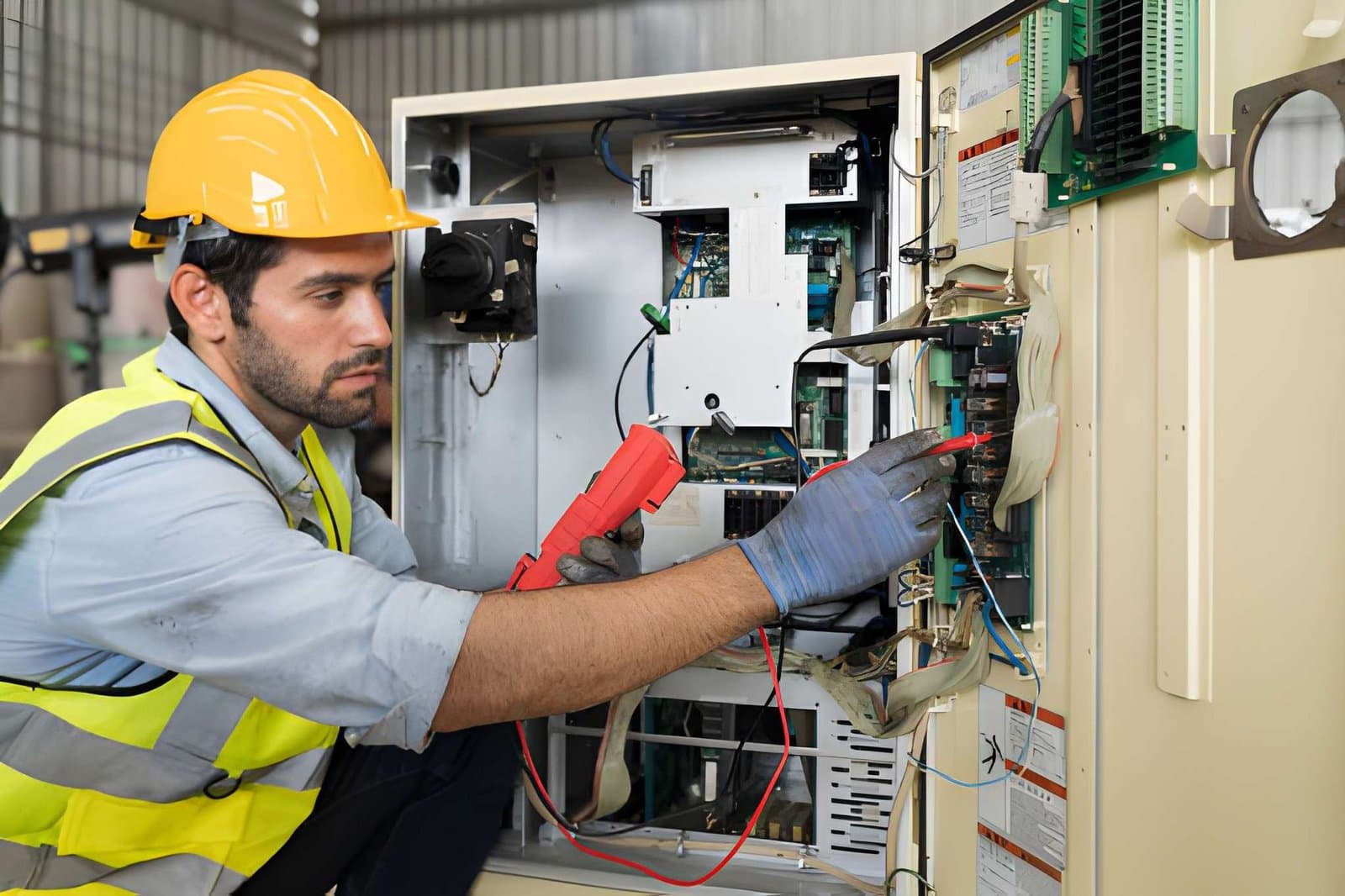
Electrical Technicians are responsible for installing, maintaining, troubleshooting and repairing electrical systems across industrial facilities.
Many technicians work in sectors such as LNG, oil & gas, petrochemicals, offshore energy, mining, power generation and data centres.
- Preventive and corrective maintenance
- High and low voltage electrical systems
- Motor control centres (MCCs)
- Switchgear and transformers
- PLC fault finding
- Instrumentation support
- Commissioning and start-up activities
- Electrical inspections and testing
Average Electrical Technician Salaries by Region
Salary levels vary depending on experience, industry, location and rotation pattern.
United Kingdom: £35,000–£50,000
Norway: NOK 650,000–900,000+
Qatar: QAR 8,000–18,000 per month (often tax-free with accommodation and transport)
UAE: AED 7,000–16,000 per month
Saudi Arabia: SAR 7,000–15,000 per month
Australia (Mining & LNG): AUD 120,000–180,000+
Canada (LNG & Oil Sands): CAD 80,000–140,000
United States: USD 60,000–100,000+
These figures are indicative and can increase significantly for shutdowns, commissioning work, offshore rotations and specialist high-voltage roles. Industry benchmarking for Australia's energy sector, for example, shows electrical and instrumentation trades commonly earning base packages in the AUD 135,000–200,000 range on FIFO projects.
What Affects Your Salary?
Several factors influence how much an Electrical Technician can earn.
Industry: Technicians working in LNG, offshore oil & gas, petrochemicals and mining generally earn more than those in commercial or manufacturing environments.
Experience: Employers typically pay a premium for technicians with specialist project exposure and authorisations.
Rotation Pattern: Many international projects offer attractive rotational work, such as 28 days on / 28 days off, 21 days on / 21 days off, or 14 days on / 14 days off. These packages often include accommodation, flights, meals and transport, increasing the overall value of the role.
- LNG plant experience
- Offshore experience
- Shutdown and turnaround experience
- Commissioning and start-up expertise
- High-voltage authorisations
- Hazardous area (Ex) certification
Which Industries Pay the Highest Salaries?
Electrical Technicians often find the highest-paying opportunities in sectors with complex electrical infrastructure and demanding operational requirements.
Large-scale commissioning and shutdown projects can also offer enhanced daily rates due to the specialist skills required.
- LNG facilities
- Offshore oil & gas
- FPSOs
- Refineries
- Mining operations
- Data centres
- Power generation
- Major infrastructure projects
Skills That Increase Your Earning Potential
Professionals with the following qualifications and experience are often the most competitive.
Candidates who can work across both electrical and instrumentation disciplines are particularly valuable.
- CompEx Certification
- High Voltage Switching Authorisation
- PLC troubleshooting
- Siemens or Allen-Bradley systems
- Instrumentation knowledge
- Commissioning experience
- Permit to Work systems
- ATEX / Hazardous Area experience
Global Demand Remains Strong
As new LNG terminals, offshore developments, renewable energy projects and industrial facilities continue to come online, demand for experienced Electrical Technicians remains high.
Projects across Qatar, Australia, Canada, the Middle East and North America continue recruiting skilled maintenance and commissioning personnel, while ageing workforces in many regions are increasing competition for experienced tradespeople.
Looking Ahead
Electrical Technicians continue to enjoy strong career prospects across the global energy sector. With ongoing investment in LNG, power generation, offshore energy and industrial infrastructure, employers are actively seeking skilled professionals who can support both construction and long-term operations.
Those with international experience, specialist certifications and a strong safety record are likely to remain in high demand throughout 2026 and beyond.
Partner with Energy Recruitment Hub
At Energy Recruitment Hub (ERH), we connect Electrical Technicians with opportunities across LNG, oil & gas, offshore, power generation, renewables and major industrial projects worldwide.
Whether you're looking for your next contract or a permanent international role, our market insights and specialist recruitment expertise can help you take the next step in your career.