
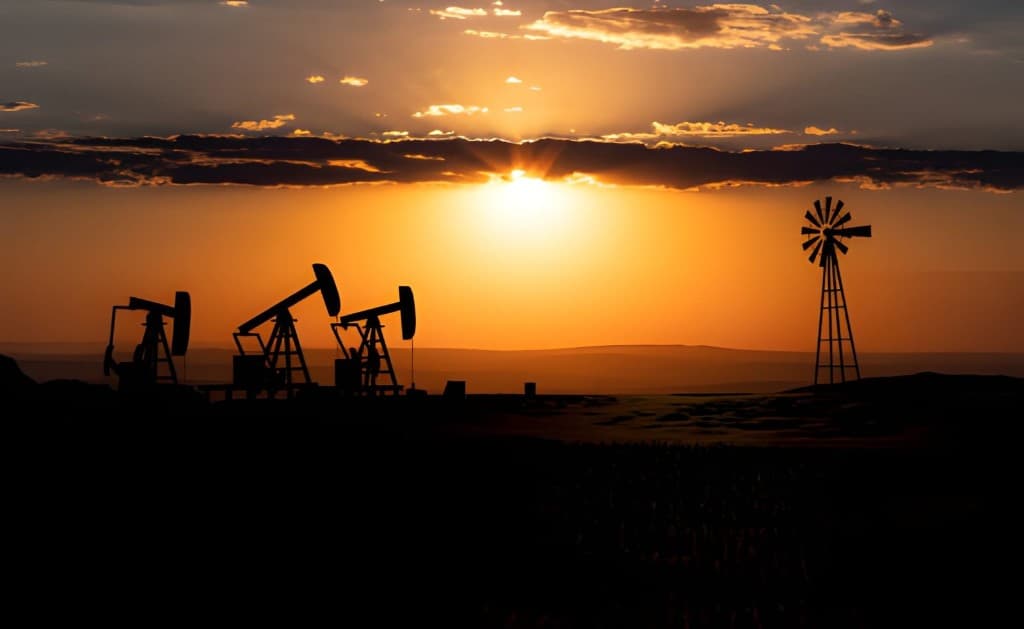
Navigating Volatility and Ongoing Technical Demand
The global oil and gas industry is navigating one of its most challenging periods in recent years. Supply disruptions, geopolitical uncertainty, changing demand forecasts and energy security concerns are influencing investment decisions across major producing regions.
Yet beneath the market volatility, the industry continues to require substantial engineering expertise, technical services, infrastructure investment and experienced personnel to maintain existing production and develop future energy supplies.
For energy professionals, recruiters and suppliers, understanding where investment is moving is becoming increasingly important.
Global Oil Market: A Changing Outlook
The International Energy Agency’s October 2026 Oil Market Report forecasts that global oil demand will decline by approximately 2.6 million barrels per day during 2026.
The IEA also expects global oil supply to average approximately 100.7 million barrels per day this year, reflecting significant disruptions to international production and trade.
The outlook for 2027 suggests a partial recovery, although the pace remains dependent on geopolitical developments, infrastructure availability and wider economic conditions.
There are also differences between the major forecasting organizations. OPEC expects a stronger recovery in global oil demand during 2027 than the IEA currently anticipates.
These contrasting forecasts highlight an important reality: energy companies are making long-term investment decisions in an environment where short-term market conditions remain difficult to predict.
For the workforce, market volatility does not necessarily mean an absence of opportunities. Operating facilities still require maintenance, modifications, integrity management and specialist engineering support, even when new investment decisions are delayed.
LNG and Natural Gas: Energy Security Remains Central
Liquefied natural gas continues to play an important role in global energy security.
The disruption of LNG supplies from the Middle East during 2026 has demonstrated the importance of diversified production, export capacity and reliable international shipping routes.
According to the IEA’s Gas Market Report, new LNG production from North America, Africa and Australia is helping offset reduced supplies from the Gulf.
However, global LNG trade is expected to remain broadly flat during 2026, with uncertainty surrounding the recovery of disrupted export facilities.
This creates several areas for the industry to monitor:
- New LNG export facilities and associated infrastructure.
- Gas processing, compression and pipeline developments.
- Existing facility upgrades and production optimization.
- Maintenance, reliability and asset integrity programs.
- Commissioning and operational readiness activities.
For recruitment agencies and technical contractors, these developments can provide early indications of where specialist engineering resources may be required.
Regional Outlook: Where Should the Industry Be Looking?
Investment and workforce demand will continue to vary by region, project stage and operator strategy.
North America
The United States and Canada remain important markets for oil and gas production, LNG infrastructure and associated engineering services.
North American LNG developments are particularly relevant to engineering contractors, equipment manufacturers and companies providing construction and commissioning services.
Recruiters should monitor project sanctioning, EPC contract awards and construction schedules rather than relying solely on advertised vacancies.
Middle East
The Middle East remains strategically important to global oil and gas supply, although the impact of regional disruption has introduced significant uncertainty.
Infrastructure restoration, asset integrity, production recovery and future development plans may create demand for specialist contractors.
However, project activity and recruitment requirements will depend on security conditions, operator decisions and the availability of critical infrastructure.
Europe and the North Sea
The North Sea continues to offer opportunities associated with existing offshore infrastructure, maintenance, modifications, production optimization and selected development projects.
For established offshore contractors, activity is not limited to new field developments.
Brownfield modifications, shutdowns, equipment replacement and commissioning work remain important parts of the regional engineering market.
South America
Brazil, Argentina and other producing markets remain relevant to longer-term offshore and unconventional oil and gas investment.
Brazil’s offshore developments are particularly important to the global supply chain, including subsea engineering, floating production facilities and specialist offshore services.
For international recruiters, these markets warrant continued attention as projects progress through engineering, procurement and execution.
Africa
Africa continues to present opportunities across offshore production, natural gas developments and LNG infrastructure.
New export capacity and the development of regional resources can create requirements for international contractors, specialist equipment suppliers and experienced technical personnel.
However, the timing of workforce demand depends on financing, project approvals and actual contract awards.
From Investment to Employment: Understanding the Project Lifecycle
One of the biggest challenges for energy recruitment is identifying opportunities before vacancies appear.
A major project typically moves through several stages:
Project announcement → FEED → Final Investment Decision → EPC award → Fabrication and construction → Installation → Commissioning → Operations
Each stage can generate different commercial and workforce requirements.
During FEED, engineering and design specialists may be required.
Following EPC awards, opportunities can develop for fabrication yards, equipment suppliers, construction contractors and project management teams.
As construction progresses, demand may increase for mechanical, electrical, instrumentation, quality assurance and inspection personnel.
Commissioning and operational readiness can subsequently create requirements for completions engineers, commissioning technicians, systems specialists and operations personnel.
These are typical project lifecycle patterns, not confirmed hiring requirements for any particular development.
For recruitment businesses, understanding the lifecycle provides a more proactive way to identify potential clients and future manpower needs.
What Does This Mean for Energy Professionals?
The current market reinforces the value of adaptable technical experience.
Professionals with skills that transfer between offshore production, LNG, construction, maintenance and commissioning may be well positioned to pursue opportunities across different regions.
Technical disciplines worth monitoring include:
- Mechanical, electrical and instrumentation engineering.
- Offshore operations and maintenance.
- Construction and fabrication.
- Commissioning and completions.
- Quality assurance and quality control.
- Asset integrity and inspection.
- Process engineering and automation.
- Project controls, planning and management.
Demand will vary significantly by project, location and stage of development. Professionals should assess confirmed project schedules, required certifications and local employment conditions before making career decisions.
ERH Insight: Follow the Projects, Not Just the Vacancies
For recruitment agencies, the most valuable information often appears before a formal hiring campaign begins.
A final investment decision, EPC contract award, fabrication contract or commissioning milestone can signal potential future requirements.
Identifying the companies involved and understanding the project timeline can help recruitment businesses prepare for commercial discussions earlier.
The same principle applies to suppliers seeking opportunities in fabrication, equipment provision, inspection and technical services.
This is the thinking behind Energy Recruitment HUB’s developing Project Intelligence platform: connecting project developments with the organizations, contractors and potential opportunities associated with them.
Looking Ahead
The global oil and gas market is likely to remain sensitive to geopolitical developments, changing demand forecasts and supply availability.
However, energy security, existing asset requirements and longer-term infrastructure investment will continue to influence engineering and technical activity worldwide.
For recruiters, suppliers and energy professionals, the key is not simply knowing which projects exist.
It is understanding which projects are progressing, who is involved and what opportunities could develop next.
Research sources: International Energy Agency — Oil Market Report, October 2026; International Energy Agency — Gas Market Report, Q3 2026; International Energy Forum — Comparative Analysis of Monthly Reports on the Oil Market, October 2026.