
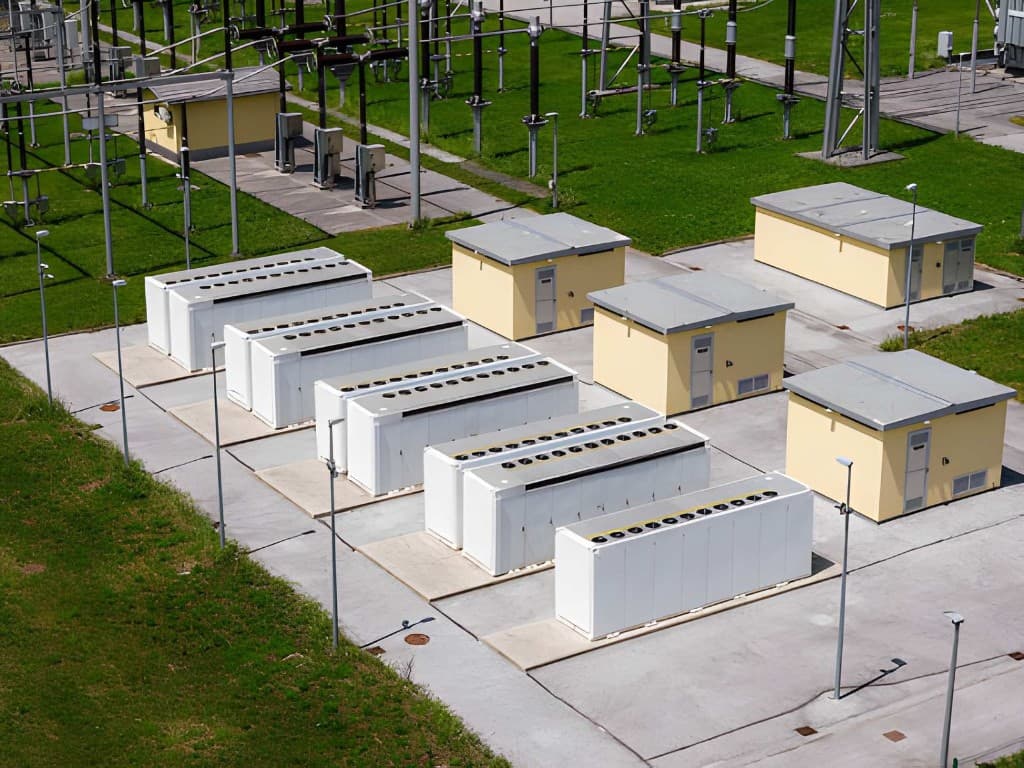
Electricity Grids Under Pressure
Electricity grids are becoming one of the biggest pressure points in the energy market. Renewable generation, data centres, electric transport and industrial electrification are all increasing demand for connections and network capacity.
The scale of the challenge is clear. The International Energy Agency says annual grid investment needs to increase by around 50% by 2030 from today’s level of approximately US$400 billion. It also estimates that more than 2,500 GW of generation, storage and large-load projects are waiting in connection queues worldwide.
That points to a large infrastructure programme. It does not mean every planned project will proceed or that all the associated jobs are already available.
Why Grid Investment Is Accelerating
Many networks were built for a different energy system. They now need to handle new sources of generation, changing patterns of electricity use and greater demand for reliable connections.
In Europe, the European Commission estimates that €584 billion of investment is needed in electricity grids. It also reports that around 40% of distribution grids are more than 40 years old. The Commission’s European Grids Package aims to improve planning, speed up permitting, use existing infrastructure more effectively and strengthen supply chains.
The challenge is time. The IEA estimates that planning, permitting and completing new grid infrastructure can take between five and 15 years. That makes upgrades to existing networks, along with new construction, an important part of the market.
Where Could Projects and Work Emerge?
Grid investment covers more than building new transmission lines. Projects may involve:
- Upgrading substations, transformers and switchgear
- Replacing or increasing the capacity of existing lines and cables
- Building new transmission routes and cross-border interconnectors
- Connecting renewable generation, batteries, data centres and industrial sites
- Adding digital monitoring and control systems
- Improving network resilience and cybersecurity
The mix varies by country and project. Some work will focus on large transmission infrastructure; other projects will involve local distribution networks, substations or grid connections for new facilities.
Skills That Could Be Relevant
Grid projects can require a broad mix of technical and delivery skills. Depending on the scope, this could include high-voltage and electrical engineering, substation design, protection and control, cable installation, commissioning, construction supervision, project controls, quality assurance, inspection and health and safety.
People with experience in offshore energy, power generation, industrial facilities and major infrastructure may have relevant capabilities. For example, electrical commissioning, cable work, planning complex construction and managing safety-critical interfaces can all be useful experience.
But transferable skills should be demonstrated, not assumed. Candidates should describe the voltage levels, systems, equipment, project stages and responsibilities they have worked with. Recruiters should look beyond broad job titles and check whether a person’s experience matches the project’s actual technical requirements.
What to Watch in the Market
Investment targets and policy announcements show direction, but practical hiring signals tend to appear closer to delivery. Look for approved network plans, permits, contract awards, procurement notices, construction schedules and named delivery partners.
The European Network of Transmission System Operators for Electricity has highlighted the need for investment, faster permitting and resilient supply chains. It also says more than half of the transmission projects needed by 2030 are still awaiting permits. That is a reminder that demand for grid work will depend on projects moving through the approvals and delivery process.
A Market Worth Following
Grid modernisation is essential to connecting new generation and meeting rising electricity demand. The investment need is substantial, and the work spans engineering, construction, commissioning and operations.
For candidates, the opportunity is to identify which parts of their experience transfer to a specific grid project and fill any gaps in qualifications or technical knowledge. For recruiters, it is to track projects by stage and build a clear picture of the skills each package will require.
The grid market is growing, but the strongest evidence of near-term work will be project approvals, contracts and construction activity—not headline investment figures alone.
Further reading: IEA: Electricity 2026 — Grids · European Commission: European Grids · ENTSO-E: Investment in grids, flexibility and faster connections