
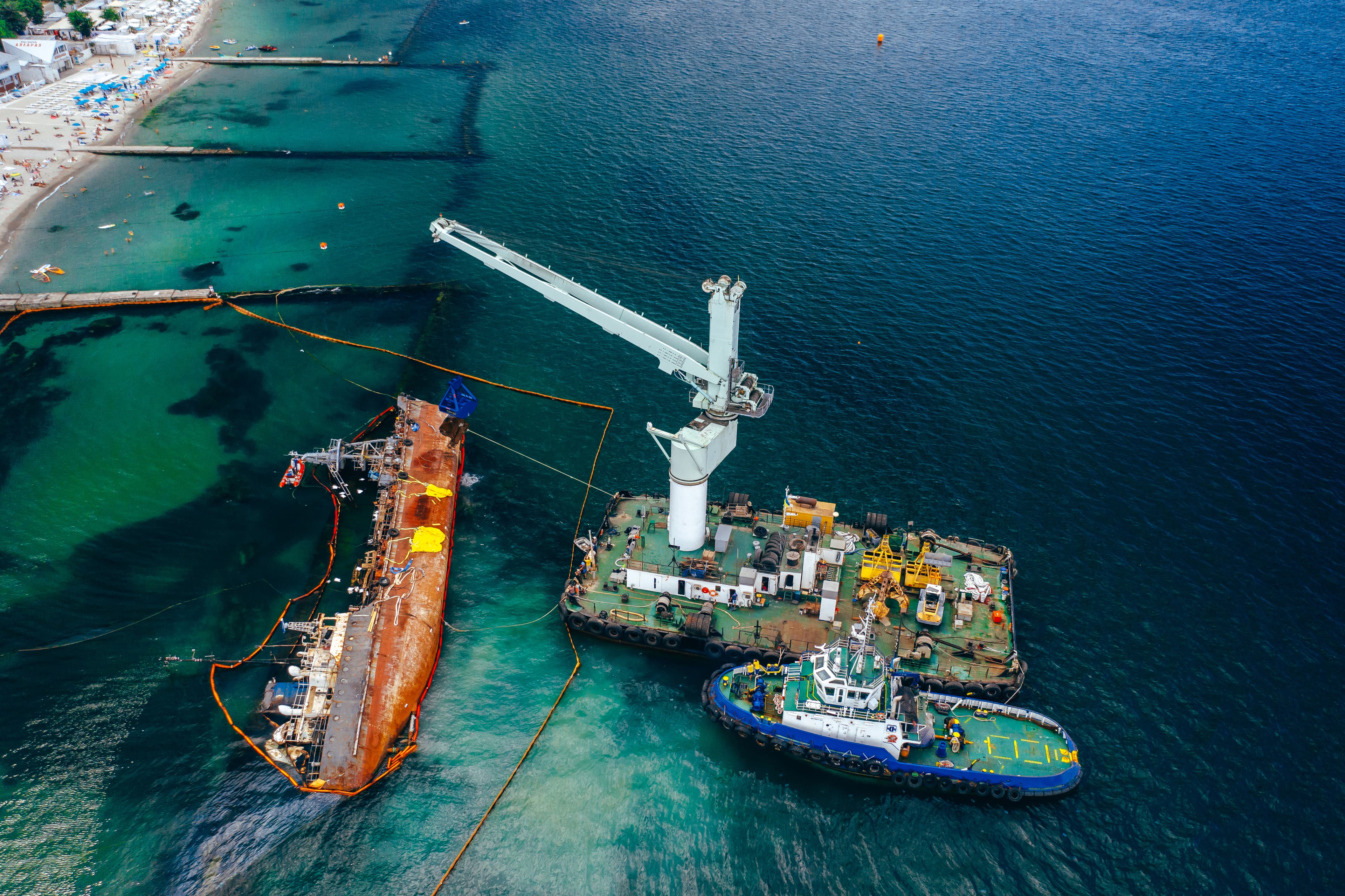
Why the UK offshore market still matters
The United Kingdom remains one of the most active offshore labour markets in Europe. Despite the energy transition, large-scale oil and gas production continues in the North Sea, while offshore wind, hydrogen, and subsea cable projects are creating parallel demand for technicians, riggers, engineers, and marine crews. For candidates with the right certifications and a clear career story, offshore work can offer structured rotations, strong earning potential, and a defined path from entry-level deck roles to specialist trades.
Competition is real. Employers and recruitment teams screen hundreds of applications for each campaign. What separates successful candidates is not only experience but proof of compliance: valid offshore medicals, safety training, and documentation that matches the role specification. This guide explains how to prepare, where to search, and how to present yourself so recruiters can move you quickly from application to deployment.
Essential certifications and medical requirements
Most UK offshore employers require a baseline safety package before you step onto a installation or vessel. BOSIET (Basic Offshore Safety Induction and Emergency Training) with CA-EBS is the industry standard for cold-water environments. Many North Sea operators also expect MIST (Minimum Industry Safety Training), which covers platform-specific hazards and behaviour expectations. Deck and technical roles may need additional trade certificates, while marine roles require STCW elements depending on the vessel type.
Offshore medical fitness is non-negotiable. OGUK medicals (now often referred to under updated offshore medical frameworks) assess fitness for helicopter travel and offshore work. Book early—clinics can be busy at peak hiring periods. Keep copies of every certificate, including expiry dates, in a single folder recruiters can verify in minutes. Expired BOSIET or medical paperwork is the fastest reason applications stall.
Renewable offshore projects often accept the same core safety training but may emphasise GWO (Global Wind Organisation) modules for wind turbine work at sea. If you are pivoting from oil and gas into offshore wind, map your existing safety training against employer requirements and identify any gap courses before you apply.
Building experience when you are new to offshore
If you have no offshore history, start with roles that feed the offshore pipeline: onshore yard support, shutdown teams, marine logistics, or assistant technician positions. Many rigger and mechanical candidates begin with construction or industrial sites where lifting plans, tool control, and permit-to-work systems mirror offshore discipline. Document every project with location, duration, supervisor reference, and equipment classes you worked with.
Apprenticeships and trainee schemes run by major operators and contractors remain one of the most credible entry routes. Apply early in hiring cycles and accept that your first offshore trip may be short-duration or through a specialist agency. Once you have a verified offshore log—even a single completed rotation—you become far easier to place on repeat campaigns.
Networking within the energy recruitment community matters. Recruiters who specialise in offshore often maintain talent pools for upcoming projects. Register on sector-focused job platforms, keep your availability dates current, and respond quickly when a mobilisation window opens. Offshore hiring moves fast; delayed paperwork loses slots.
CV and application strategy
Your CV should lead with certifications and compliance, not buried at the bottom. List BOSIET, MIST, medical validity, trade licences, and any DP, crane, or rigging tickets in a dedicated block near the top. Use role titles that match industry vocabulary: Rigger, Deck Operator, Production Technician, HVAC Technician, ROV Pilot Technician, rather than internal company codes.
Quantify project exposure: number of installations, vessel types, shutdown seasons, or wind farm phases. Mention specific basins or fields only if your employer allows; otherwise describe asset types (fixed platform, FPSO, jack-up, semi-sub, offshore wind OSS). Recruiters scan for keywords that match client job specs—mirror the language in the advert without copying it blindly.
Upload a clean PDF, two pages maximum for most trades. Use a professional photo only if the employer requests it. On Energy Recruitment Hub and similar platforms, complete every profile field so automated matching can surface your profile when recruiters search by certification or location.
Where to find UK offshore roles
Dedicated energy job boards outperform generic listings because filters align with sector terminology—offshore rotation, OIM, CRO, deck crew, and subsea campaigns. Browse roles by region: Aberdeen and the north-east of Scotland remain hubs, but mobilisation points also include Great Yarmouth, Liverpool Bay assets, and Irish Sea wind farms. Southern North Sea gas and southern sector maintenance programmes hire year-round.
Contractors and majors publish seasonal peaks: summer maintenance windows, winter shutdowns, and project-specific ramp-ups for new field developments. Set job alerts for keywords like offshore, North Sea, rotation, and 2/2 or 3/3 patterns. Apply as soon as roles post; offshore slots are often filled from existing pools before public listings close.
When you apply, attach compliance packs proactively. A short cover note stating your medical and BOSIET expiry dates, next available mobilisation date, and preferred rotation pattern saves recruiters hours and signals you understand offshore logistics.
Interview and mobilisation readiness
Technical interviews for offshore roles focus on safety scenarios, permit systems, and tool-box talk culture. Expect questions about helicopter ditching awareness, gas detection, isolation procedures, and how you handle fatigue during long rotations. Use STAR examples from onshore or offshore work that show you stop the job when conditions are unsafe.
Before you accept an offer, confirm travel logistics, accommodation standard, rotation length, and overtime rules. Clarify whether training refreshers are funded by the employer. Keep personal bags and documentation ready—passport, seaman's book if applicable, bank details for payroll, and duplicate copies of certificates.
Offshore careers are built over multiple campaigns. Treat each trip as a reference for the next: reliable attendance, clean handovers, and positive feedback from supervisors compound into preferential hiring. The UK market rewards professionals who are cert-ready, communicative, and easy to mobilise.